


Bi-Directional Access Control Turnstile Systems: Real-World Design And The IM.XS.05 Advantage
2026-01-21


If you manage a busy building, you already know the truth about people flow: it rarely moves in one direction. Morning crowds arrive as night crews leave, lunch lines stack up while visitors exit for meetings, and event traffic flips in minutes. That is why bi-directional gates are redefining Access Control Turnstile Systems. At IRONMAN Intelligent, we build for real sites, not showrooms - prioritizing operator clarity, predictable throughput, and components that hold up for years.
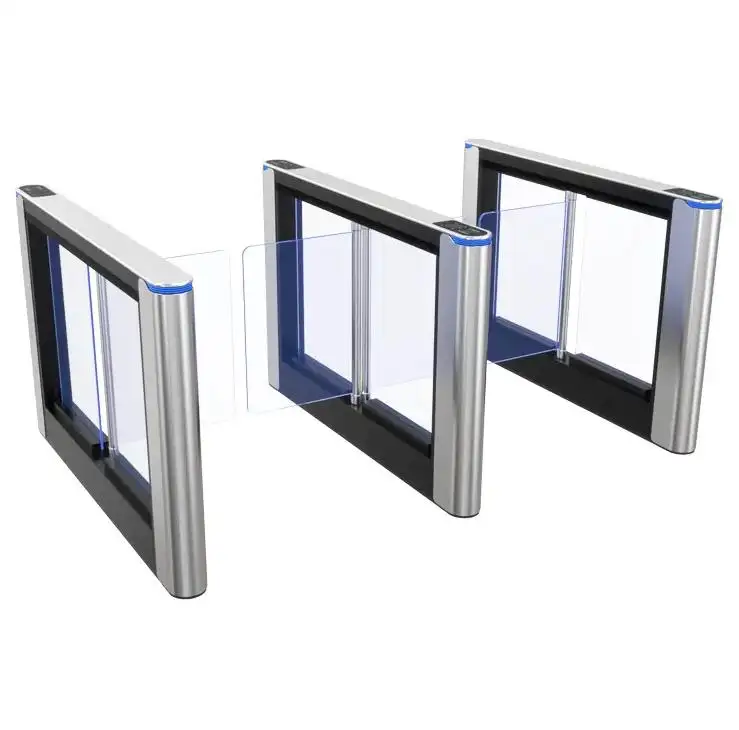
This guide walks through what bi-directional swing gates do, where they make the biggest difference, and how the IM.XS.05 model streamlines daily movement in airports, libraries, offices, and transit hubs.
Access Control Turnstile Systems Essentials: Why Two-Way Flow Wins
Legacy single-direction turnstiles tend to bottleneck when arrivals and departures overlap. Bi-directional swing gates let you control entry and exit with a single lane, so you can flex directionality by demand without giving up security. In Access Control Turnstile Systems that face simultaneous peaks - think shift changes, class transitions, or concert turnover - two-way logic shortens queues, spreads load across fewer lanes, and reduces the number of staff interventions required to keep lines orderly.
The IM.XS.05 uses precise motor control paired with live sensor feedback to manage both directions intelligently. It reads the lane state, responds instantly to authorization signals, and keeps a steady rhythm of openings and closings. When crowds surge, memory mode helps the gate “remember” validated users, so movement continues smoothly rather than stop-start. The end result is better cadence, better mood, and fewer complaints at the front desk.
Introducing the IM.XS.05 Bi-Directional Swing Gate
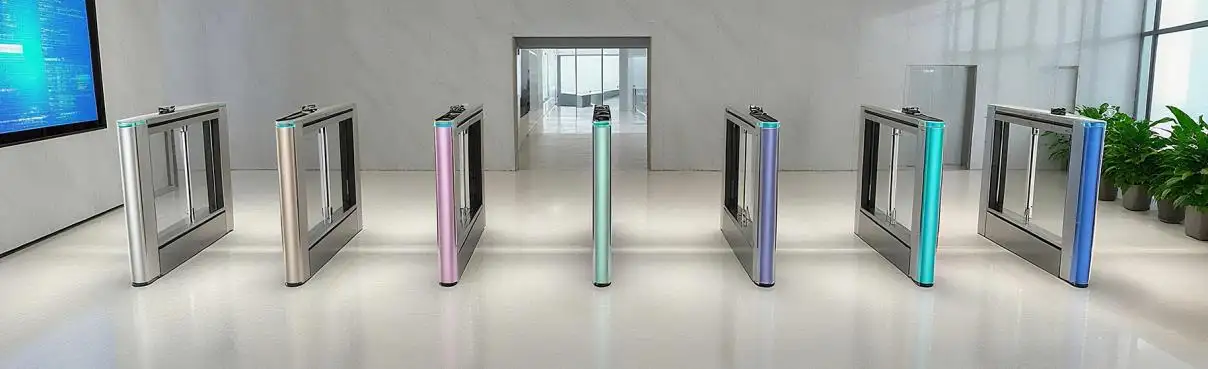
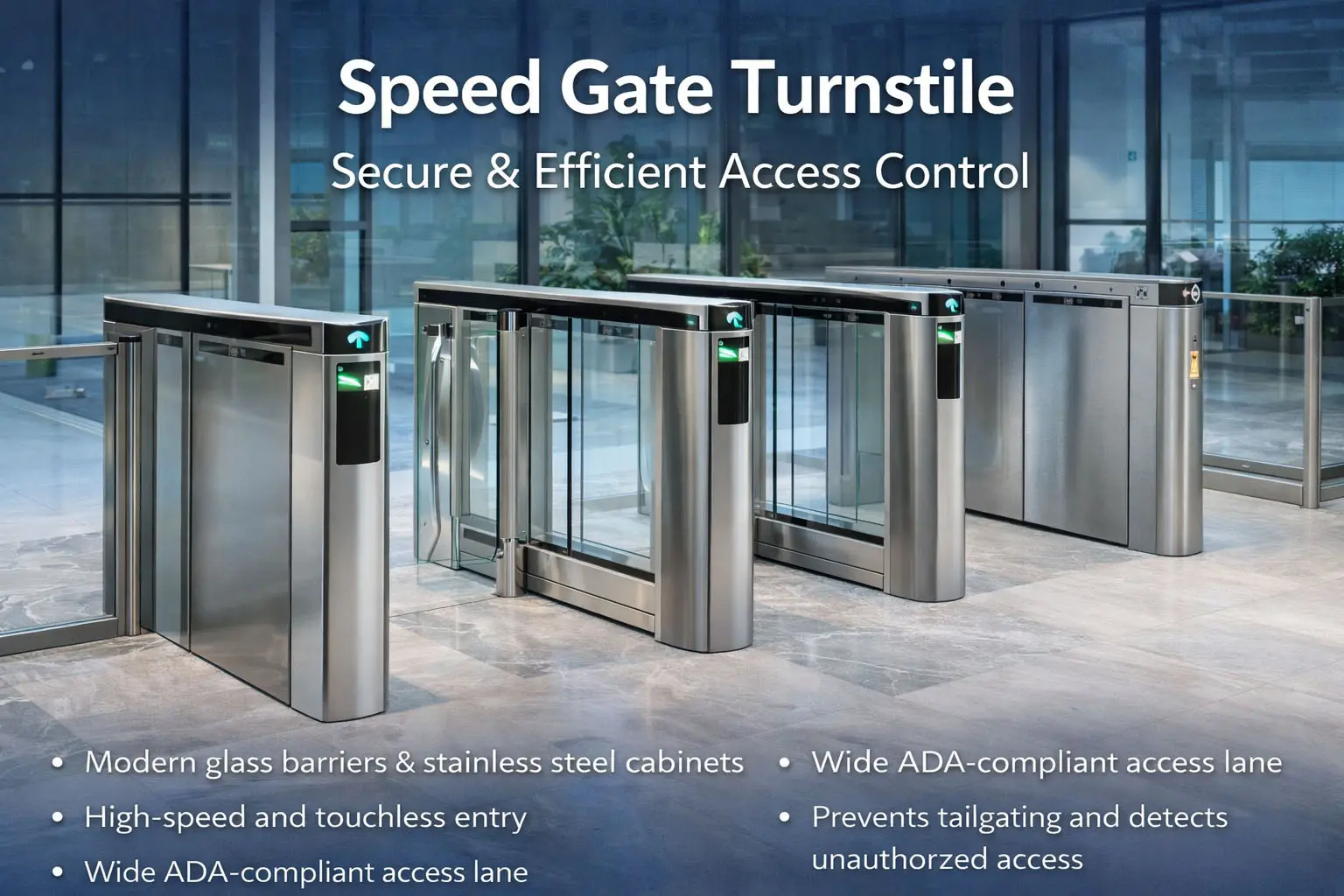
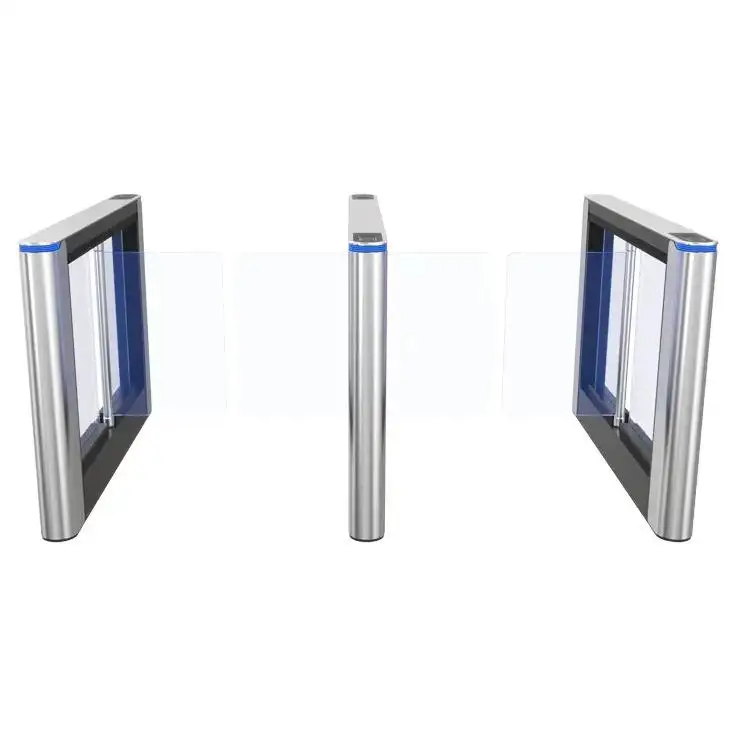
IM.XS.05 is engineered as a high-speed service motor gate with a slim, contemporary profile. The hardware blends tempered glass with an SGCC plus aluminum alloy structure, so the unit looks refined while standing up to constant use. A steel internal frame anchors the mechanism, while the cabinet is built from 1.2 mm corrosion-resistant electrolytic plate finished in durable black baking paint. Top covers and columns are oxidized aluminum alloy for long wear, and the swing arms are available in 10 mm acrylic or aluminum to match your aesthetic and duty cycle.
Core Specifications
• Passage Width: 600 to 1100 mm, configurable for standard lanes, accessibility, carts, or luggage
• Footprint: 1500 × 120 × 980 mm for a compact install in tight lobbies
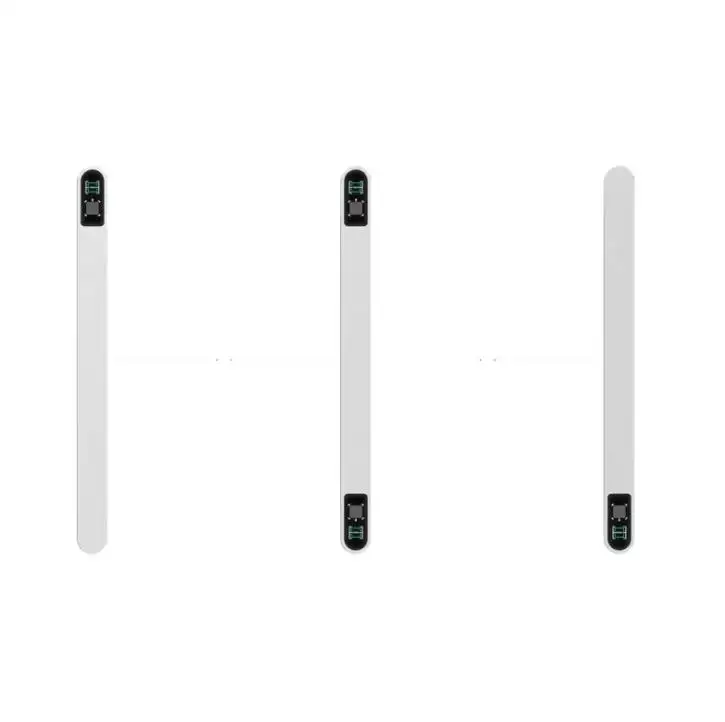
• Sensing: Six infrared pairs standard; up to ten pairs for enhanced anti-tailgating coverage
• Throughput: Up to forty-five persons per minute when memory mode is enabled
Design Details That Stand Up to Daily Use
• Motion: A brushless servo motor delivers smooth, quiet swing action with fine angle control
• Guidance: Bright LED direction arrows plus multilingual voice prompts reduce hesitation at the lane
• Protection: Anti-tailgating and anti-reverse logic detect abnormal movement and block unauthorized attempts
• Safety: Fire alarm integration and power-fail unlock keep egress clear during emergencies
• Connectivity: The IM.XS.05 integrates cleanly into existing Access Control Turnstile Systems, working with badges, QR codes, biometrics, and visitor management platforms without ripping out your current infrastructure
How Bi-Directional Swing Gates Work in Practice
The mechanics are straightforward; the value is in the timing and checks. Here is how a single passage typically flows:
1) Credential In, Decision Made. A card tap, QR scan, or biometric match arrives from your access controller. The gate accepts the command and assigns the permitted direction.
2) Clear Signals, No Guesswork. LED arrows point the way and a voice prompt confirms permission. The opposite direction remains locked to prevent conflicts in the lane.
3) Sensors Track The Person, Not Just The Passage. Infrared pairs watch the user's position through the opening. If someone tries to slipstream behind an authorized user or reverse course, the logic intervenes and alerts staff.
4) A Controlled, Quiet Swing. The brushless motor opens to the correct angle and speed for a comfortable walk-through, then closes smoothly once the lane is clear.
5) Reset For The Next Person. After completion, the gate returns to standby and awaits the next signal - without manual input from staff.
6) Peak-Mode Continuity. During rush periods, memory mode sequences validated users back-to-back, maintaining up to forty-five persons per minute so the line keeps moving.
For managers, centralized supervision is part of the package. A networked dashboard lets you view lane status, update parameters, and review alarms in real time. That single-pane view saves time for security teams overseeing multiple lanes or multiple buildings.
Built for Weather, Wear, and High Footfall
Access Control Turnstile Systems are often installed where conditions are less than ideal - sunlit atriums, coastal venues, or busy concourses where maintenance windows are scarce. The IM.XS.05 was specified with those environments in mind:
• Corrosion Resistance: Verified to ISO 9227 salt spray testing for two thousand hours (rust-free), cutting lifecycle maintenance in humid or coastal installations
• Temperature Tolerance: Operates from -35°C to +75°C, so cold mornings and heat-exposed lobbies are non-issues
• Water And Dust: Rated for stable performance in heavy rain or dusty conditions, supporting indoor and semi-outdoor use
• Flexible Widths: Adjustable passages from 600 to 1100 mm handle everyday traffic as well as accessibility, strollers, trolleys, and carry-ons without a separate lane
• Low-Noise Aesthetics: Quiet motion, refined materials, and clean lines match modern interiors in offices, libraries, airports, and transit hubs
Benefits That Facility Teams Notice Quickly
When bi-directional control is thoughtfully implemented, the advantages are not theoretical - they show up in your daily metrics and your lobby experience.
• Faster peaks: Bi-directional lanes with memory mode keep luggage and trolleys flowing through peak waves
• Fewer assists: Big, clear signals and voice cues speed first-time users; auto-reset recovers stalls
• Lower risk: Anti-tailgating and anti-reverse help prevent crowding and wrong-way entries
• Cost control: Brushless motors and corrosion-tested housings handle high-duty cycles with less upkeep
• Retrofit-ready: IM.XS.05 connects to your current ticketing/ACS stack via standard interfaces
• Better journeys: Smooth motion and intuitive guidance reduce anxiety for travelers
• Built to scale: Add sensors and widen lanes for events or seasonal peaks
Why Bi-Directional Matters
• Airports/train stations: Direction changes align with flight/train banks
• Offices/business parks: Lunch-hour two-way flows stay orderly
• Museums/libraries: Multilingual cues reduce confusion for tourists and families
• Education And Events: Class changeovers and event turnover can reverse flows quickly; two-way logic maintains order without additional staff.
Integrating With Existing Access Control Turnstile Systems
From an IT and security standpoint, the best upgrade is the one that fits. The IM.XS.05 connects via standard interfaces to most controllers and credential types - proximity cards, mobile and QR codes, face recognition, or mixed environments with different reader technologies. Events are logged in real time, and centralized monitoring lets facility managers see counts, statuses, and alarms across all lanes. That unified view cuts administrative overhead and speeds up incident response.
For rollouts, we recommend a phased approach: start with a lane in the highest-traffic location, validate the sensor count for your environment (six infrared pairs are standard; consider up to ten for extra anti-tailgating coverage), and finalize passage widths to accommodate your user mix. Once tuned, replicating the configuration across additional lanes is straightforward.
Your Next Step
Access Control Turnstile Systems are evolving quickly, and bi-directional swing gates are the practical way to keep people moving both safely and efficiently. If you want to see how the IM.XS.05 performs under real traffic, contact IRONMAN Intelligent for a live demonstration, a detailed spec sheet, and a site evaluation. Our team will help you choose lane widths, sensor configurations, and integration options that fit your building - and we can pilot a single lane to de-risk the deployment. With the IM.XS.05, you get modern design, proven durability, and control logic that keeps your entrances calm, even on your busiest days.
